




1、 Analysis of Characteristics of Leather Factory Special Texture Tape
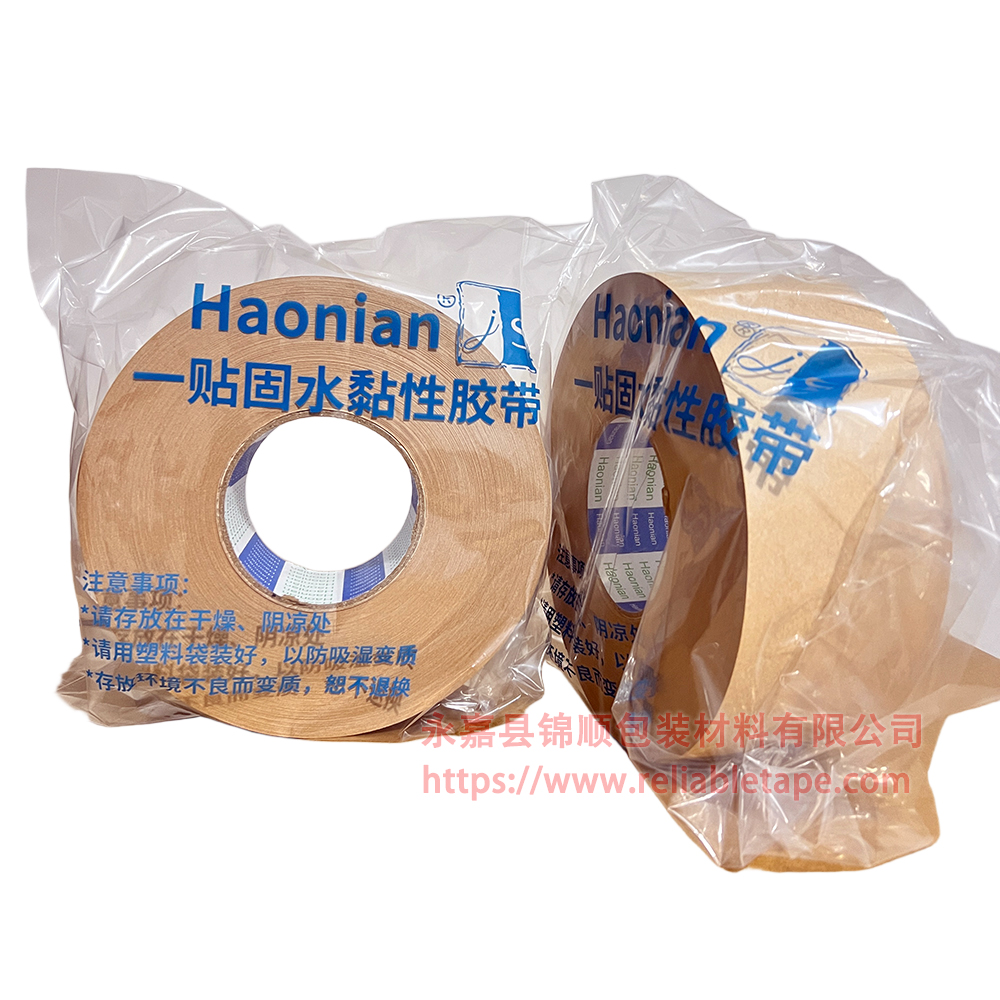
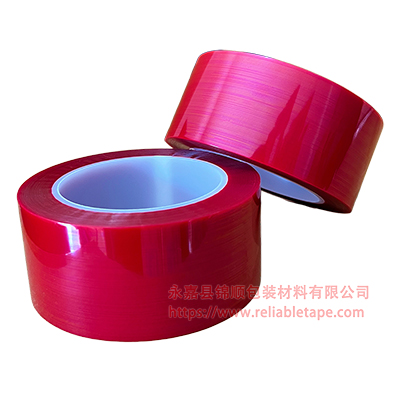
In the process of leather processing, sticking cloth and removing dust are the basic processes to ensure product quality. Yongjia Jinshun Packaging Materials Co., Ltd. has launched a leather factory specific decorative tape that accurately meets industry needs and has three core advantages:
Strong adhesion suitable for complex working conditions: Based on the fiber texture characteristics of the leather surface, a customized high adhesion pressure-sensitive adhesive layer is used, which has a 40% increase in adhesion compared to ordinary masking tape. Whether it is rough leather surface or synthetic leather with fine fibers, it can firmly adhere to impurities such as cloth hair and dust, and can be cleaned with one paste without repeated operation.
Four season stability and weather resistance: Breaking through temperature and humidity limitations, the adhesive performance remains stable in environments ranging from -15 ℃ to 45 ℃. During low temperatures in winter, there will be no brittle cracking or loss of adhesion, and even in high temperature and high humidity environments in summer, there will be no softening or seepage of the adhesive layer, truly achieving worry free use throughout the year and adapting to the production needs of different regions and seasons.
Low residue adhesive protects leather quality: Low migration environmentally friendly adhesive system is selected, which will not leave any adhesive marks on the leather surface during peeling, without the need for additional cleaning processes, maximizing the protection of the original texture and appearance of leather, especially suitable for pre cleaning treatment of high-end leather products.
2、 Detailed User Manual
(1) Preparation before construction
Surface inspection: Carefully inspect the leather surface to confirm that there are no sharp protrusions, damages, or other issues, in order to avoid secondary damage to the leather when applying adhesive tape. Meanwhile, place the leather on a flat workbench for easy operation.
Tape selection and cutting: Choose the appropriate width of tape according to the size and cleaning needs of the leather. This special model offers multiple specifications such as 10mm, 20mm, 30mm, 50mm, etc. When cutting, keep the tape straight to avoid stretching and deformation. Professional tape cutters can be used to ensure neat cuts and improve cleaning efficiency.
(2) Paste cleaning techniques
Uniform pressure pasting: Hold one end of the tape and gently stick it to the surface of the leather. Roll and paste it in one direction at a uniform and smooth speed. At the same time, use your palm or a soft scraper to gently press the surface of the tape to ensure that it is in full contact with the leather and enhance the bonding effect. For wrinkles and gaps on the surface of leather, pressure can be appropriately increased to allow the tape to be thoroughly cleaned.
Segmented cleaning method: For large areas of leather, a segmented cleaning method is used, with each pasting length controlled between 50-80cm to avoid uneven pasting caused by excessively long tape. After cleaning each section, promptly peel off the tape and replace it with a new one to continue cleaning.
Stubborn impurity treatment: When encountering stubborn cloth or dust, the tape can be repeatedly pasted in the same position 2-3 times, and the strong adhesive force of the tape can be used to remove it. If the impurities are deeply embedded, you can first use a soft bristled brush to gently loosen the impurities, and then use tape to clean them.
(3) Timing and technique of stripping
Timely peeling: After completing the cleaning, immediately peel off the tape from the leather surface to avoid excessive adhesion between the adhesive layer and the leather fibers caused by prolonged sticking. Pinch one end of the tape during peeling, and slowly and uniformly peel it vertically upwards at a 180 ° angle to the leather surface. Do not forcefully pull it to avoid damaging the leather fibers.
Emergency handling of residual adhesive: If the adhesive tape has been stuck for too long due to special circumstances, resulting in slight residual adhesive, a clean soft cloth dipped in a small amount of leather specific cleaning agent can be used to gently wipe the residual adhesive area. When wiping, follow the direction of the leather texture to avoid damaging the leather surface.
3、 Practical experience and common problem solving
(1) Practical experience sharing
Small area cleaning technique: For small areas such as corners and gaps in leather products, the tape can be cut into thin strips or torn into small pieces for local cleaning, which can ensure the cleaning effect and avoid tape waste.
Batch production efficiency improvement: During batch production, a dedicated person can be arranged to be responsible for tape cutting, pasting, and cleaning work. The assembly line operation method is adopted, with one person cutting the tape and two people simultaneously cleaning the leather, which can effectively improve production efficiency.
Storage precautions: Unused tape should be stored in a cool, dry warehouse, away from direct sunlight and high temperature environments. It is recommended to control the storage temperature between 10 ℃ -30 ℃ to extend the service life of the tape and ensure stable adhesive performance. At the same time, the tape should be kept away from corrosive substances such as organic solvents and acids and bases to prevent the adhesive layer from being corroded.
(2) Common problem solving
Low temperature environment reduces adhesion: In winter low temperature environment, the tape can be preheated at room temperature for 10-15 minutes before pasting to restore the activity of the adhesive layer. After pasting, it can be repeatedly pressed with the palm to enhance the bonding effect. If the workshop temperature is low, the workshop temperature can be appropriately increased, or heating equipment can be used to preheat the tape.
Adhesive tape adhesion of leather fibers: If adhesive tape adhesion of leather fibers occurs, immediately stop peeling and use a hair dryer to adjust to low temperature. Gently heat the back of the tape for 3-5 seconds, wait for the adhesive layer to soften slightly, and then slowly peel off the tape. After peeling, gently comb the leather fibers with a soft bristled brush to restore their original shape.
The adhesive strength of the tape decays too quickly: If the adhesive strength of the tape decays too quickly, check whether improper storage has caused the adhesive layer to fail, and replace it with a new tape in a timely manner. Meanwhile, during use, avoid the tape from coming into contact with impurities such as oil and moisture, which may affect the performance of the adhesive layer.
4、 Supplier Recommendation - Yongjia Jinshun Packaging Materials Co., Ltd
As a company dedicated to the research and production of packaging materials, Yongjia Jinshun Packaging Materials Co., Ltd. has over 12 years of experience in the industry. Its leather factory specific masking tape is tailored to the pain points of the leather processing industry. The company has advanced production equipment and strict quality control system. Each roll of tape undergoes multiple testing processes to ensure stable quality. At the same time, the company supports mass customization services, which can adjust parameters such as tape width and adhesion according to customers' special needs. It can also provide professional technical guidance to help customers solve problems encountered during use. Both small leather processing factories and large production enterprises can find suitable products and services here.